
Reach Trucks vs Standard Forklifts, Key Differences Explained
Reach trucks and standard forklifts differ mainly in design and aisle space. A standard counterbalance forklift suits wider aisles, loading docks and mixed indoor and outdoor work, while a reach truck suits narrow indoor aisles and tall racking. The right pick depends mostly on your layout.
What a Standard Forklift Is
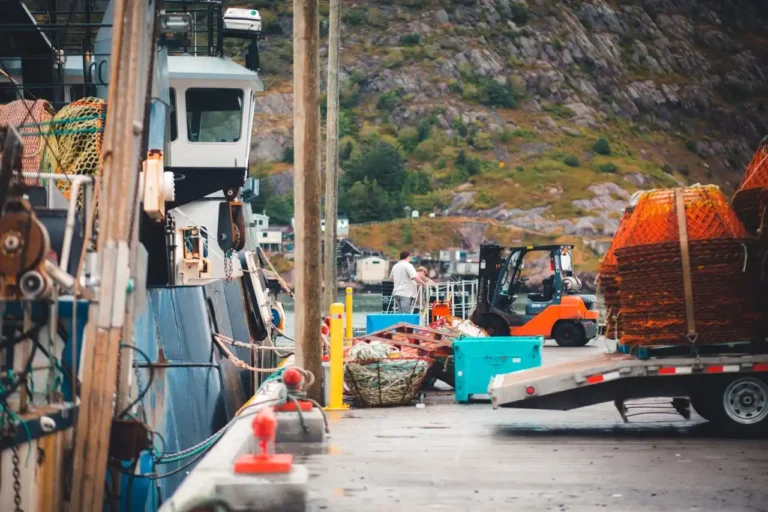
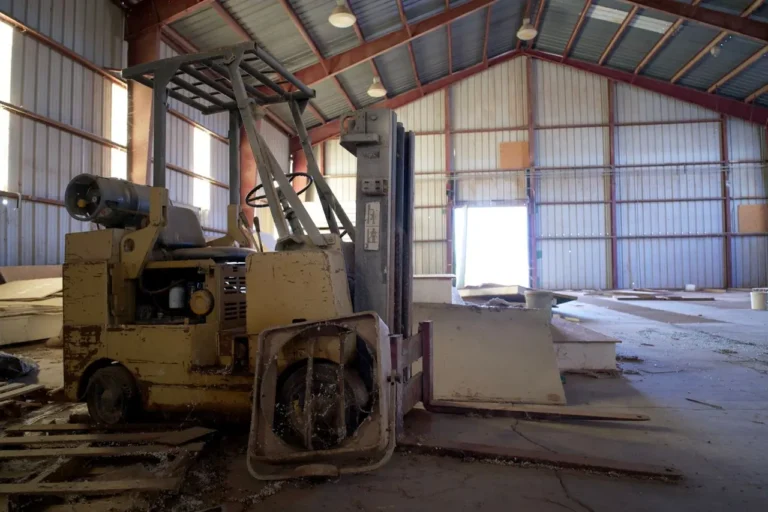
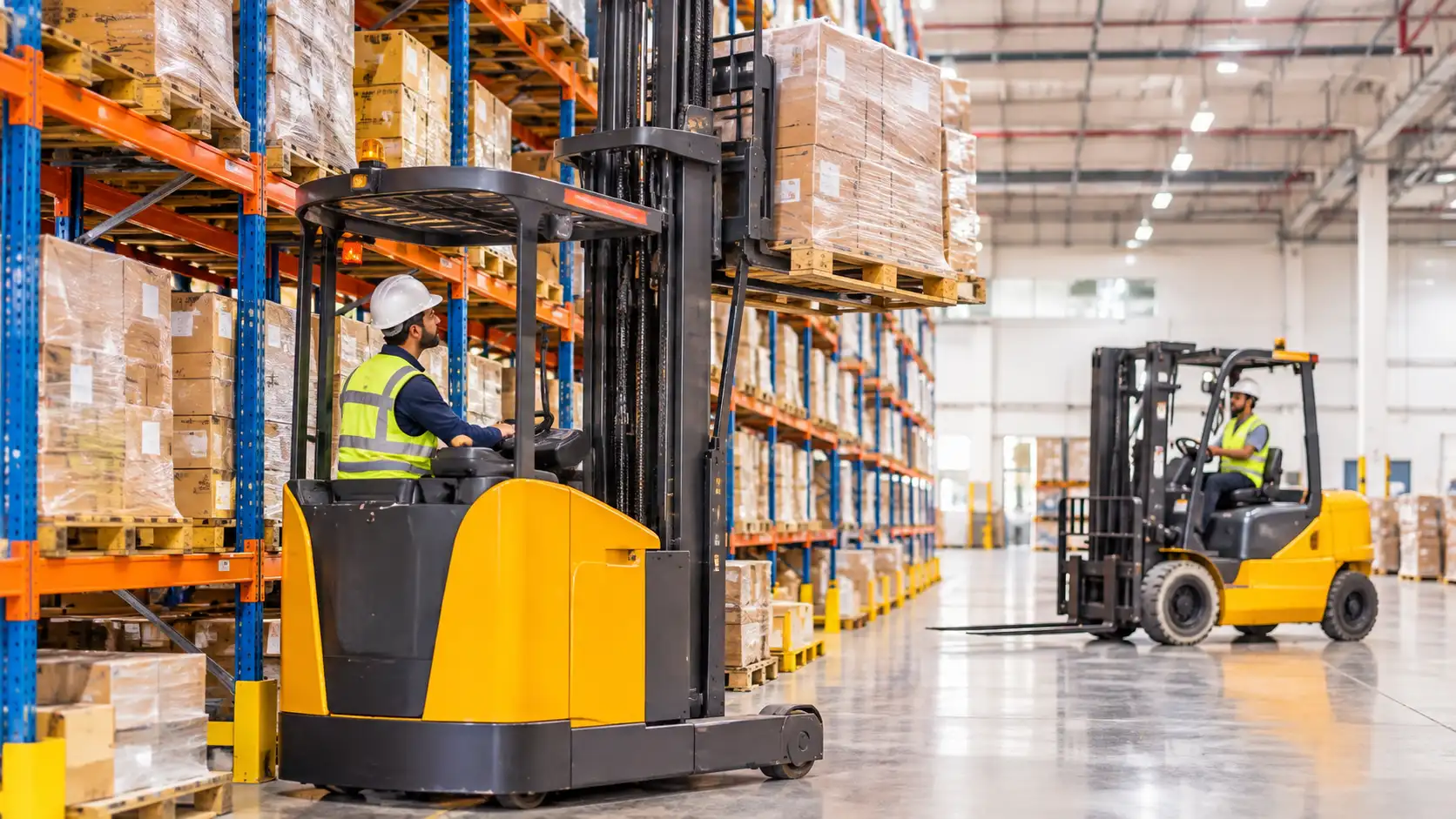
A standard forklift, also called a counterbalance forklift, uses a heavy weight at the rear to balance the load carried on the forks at the front. That design makes it versatile. It handles docks, yards, ramps and general loading, and it works on a wide range of floors. The trade off is size. Because of its body and turning radius, it needs more aisle space to place a pallet.
What a Reach Truck Is
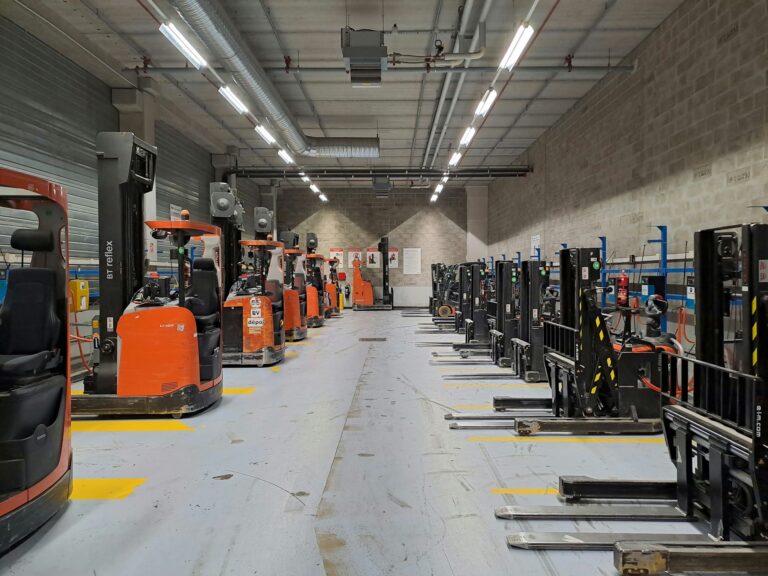
A reach truck is a narrow aisle electric machine built for indoor warehouse racking. Instead of a rear counterweight, it uses a compact chassis and a mast that extends forward, so the forks reach into the rack while the body stays in the aisle. This makes it far more manoeuvrable in tight spaces and well suited to lifting loads to greater heights.
Reach Trucks vs Standard Forklifts, the Main Differences
Aisle Width
This is the biggest one. Sources commonly put a standard forklift at around 3.5 to 4.5 metres of working aisle, while a reach truck can operate in roughly 2.5 to 3 metres. Exact figures depend on the model and your pallet size, so always check the specifications before deciding.
Storage Density
Narrower aisles mean more racking in the same floor area. Some guides suggest a reach truck layout can fit 20 to 30 percent more pallet positions, though the real gain depends on your building.
Where They Work
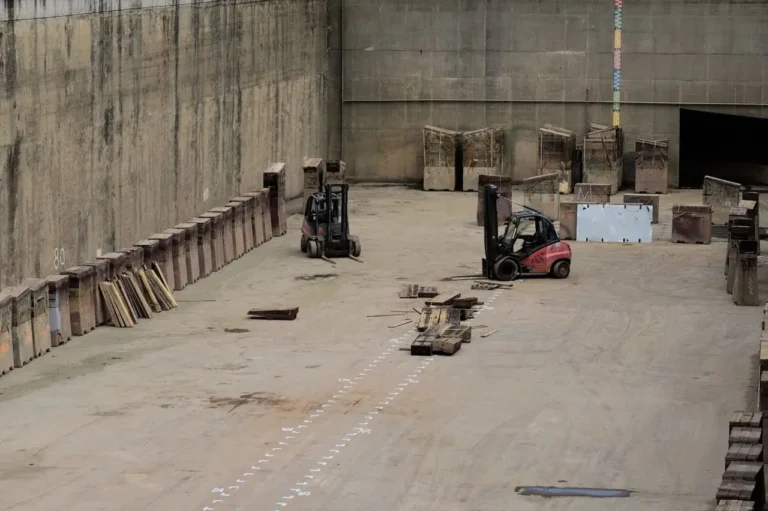
Standard forklifts handle indoor and outdoor jobs. Reach trucks are designed for smooth indoor floors, so they are not the right tool for rough yards or ramps.
Operation and Training
Reach trucks are usually operated from a standing or side seated position and need more spatial awareness in narrow aisles. Operators should be trained and licensed for the machine type, as covered in our guide on whether you need a license to operate a forklift in the UAE.
Load Handling
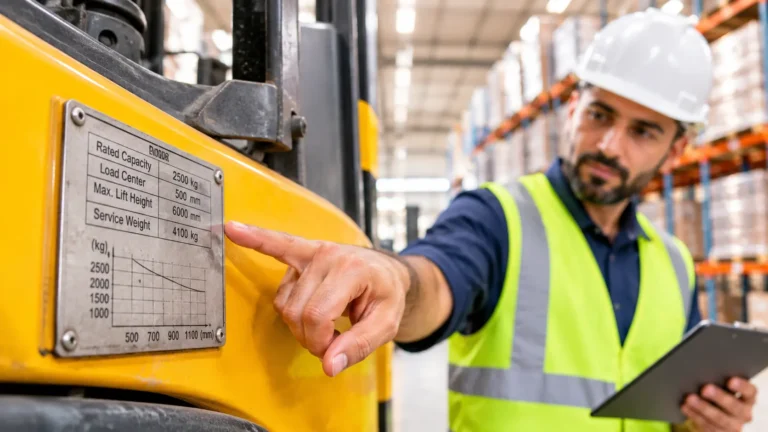
Capacity still matters on both. Before choosing, read your machine’s plate carefully, our guide to forklift load capacity explains how.
How to Choose Between Them
Ask yourself four simple questions.
- How wide are my aisles?
- How high is my racking?
- Do I work only indoors, or also outside?
- How much of my day is spent placing pallets in racks?
If your aisles are wide, you move between dock and yard, or your work is mixed, a standard forklift is usually the safer choice. If your racking is tall, your aisles are tight and your work stays indoors, a reach truck can make better use of your space. Many busy warehouses use both. For a wider overview of machine categories, our guide to the different types of forklifts is a good place to start.
Renting Instead of Buying
If you are unsure which machine suits your layout, renting lets you test the fit without a large purchase. For longer projects, a forklift monthly rental keeps your costs predictable, and our breakdown of forklift rental pricing shows what affects your rate.
Layout needs vary by area. A tightly packed warehouse in Al Quoz often leans toward narrow aisle machines, while larger facilities in Dubai South or Jebel Ali may have room for standard forklifts.
Safety Points for Both
Whichever you choose, keep daily habits consistent. A quick pre shift forklift inspection catches faults early, and clear pedestrian zones matter even more in narrow aisles where visibility is limited.
Final Thoughts
Reach trucks vs standard forklifts is not a question of which is better, it is a question of which fits your space and work. Measure your aisles, check your rack height and be honest about where the machine will actually operate. If you want help matching a machine to your site, our team at Forklift Rental Dubai can advise on the right option.