
7 Different Types of Forklifts and How to Choose the Right One
Navigating the world of material handling can be complex, and selecting the right equipment is the first critical step toward operational efficiency and safety. Understanding the 7 different types of forklifts available is essential for any warehouse manager, construction supervisor, or logistics professional. Each type is engineered for specific tasks, environments, and load capacities. Whether you are considering a purchase or exploring forklift rental options, this guide will break down the main kinds of forklift and their ideal applications, helping you make an informed decision for your unique needs.
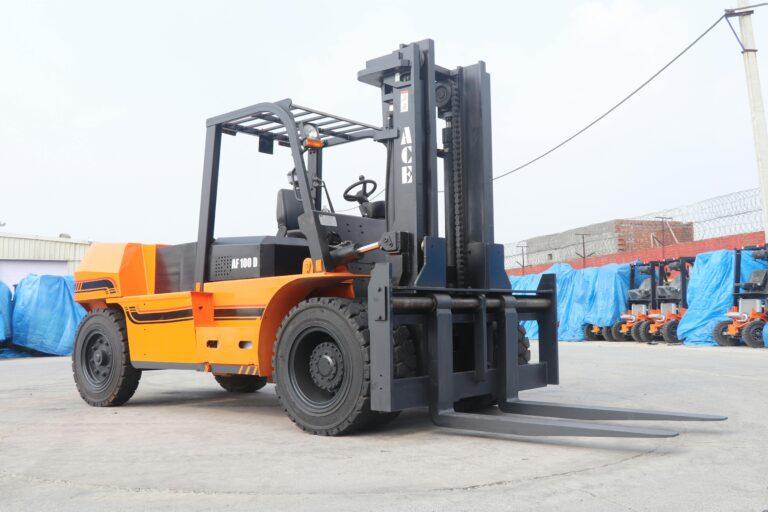
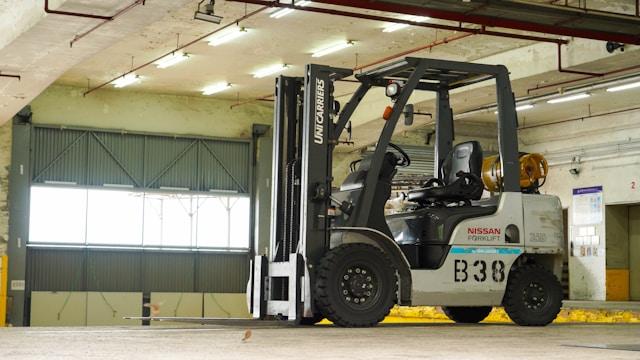
1. Warehouse Forklifts (Counterbalance Forklifts)
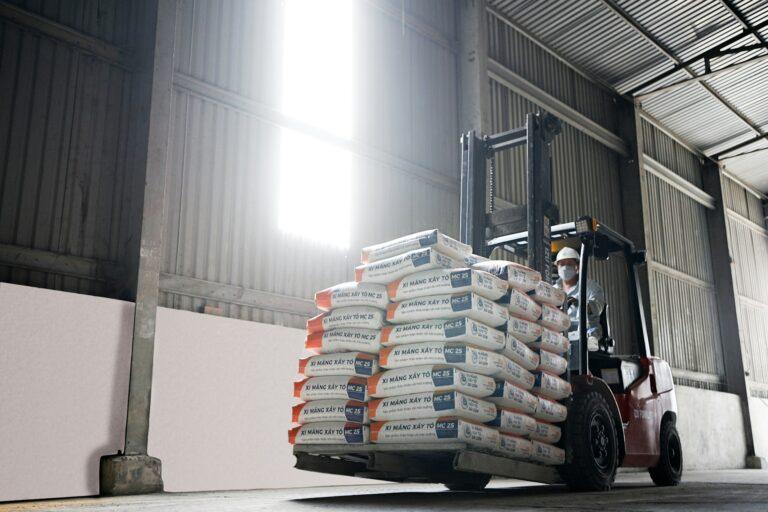
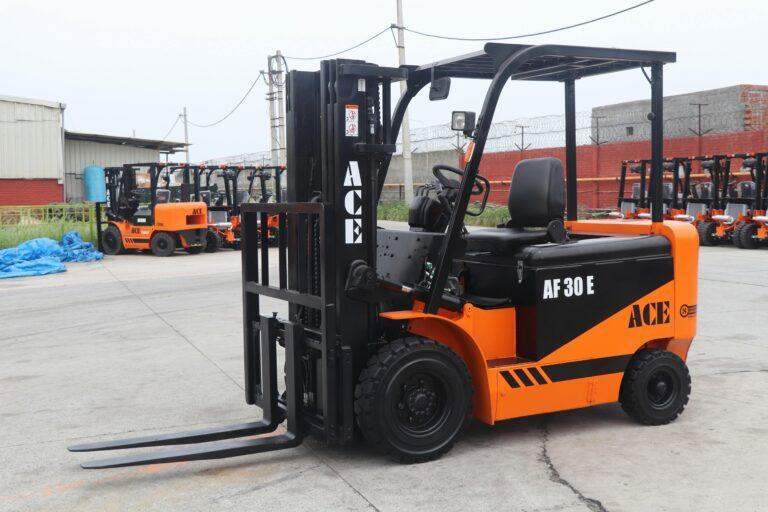
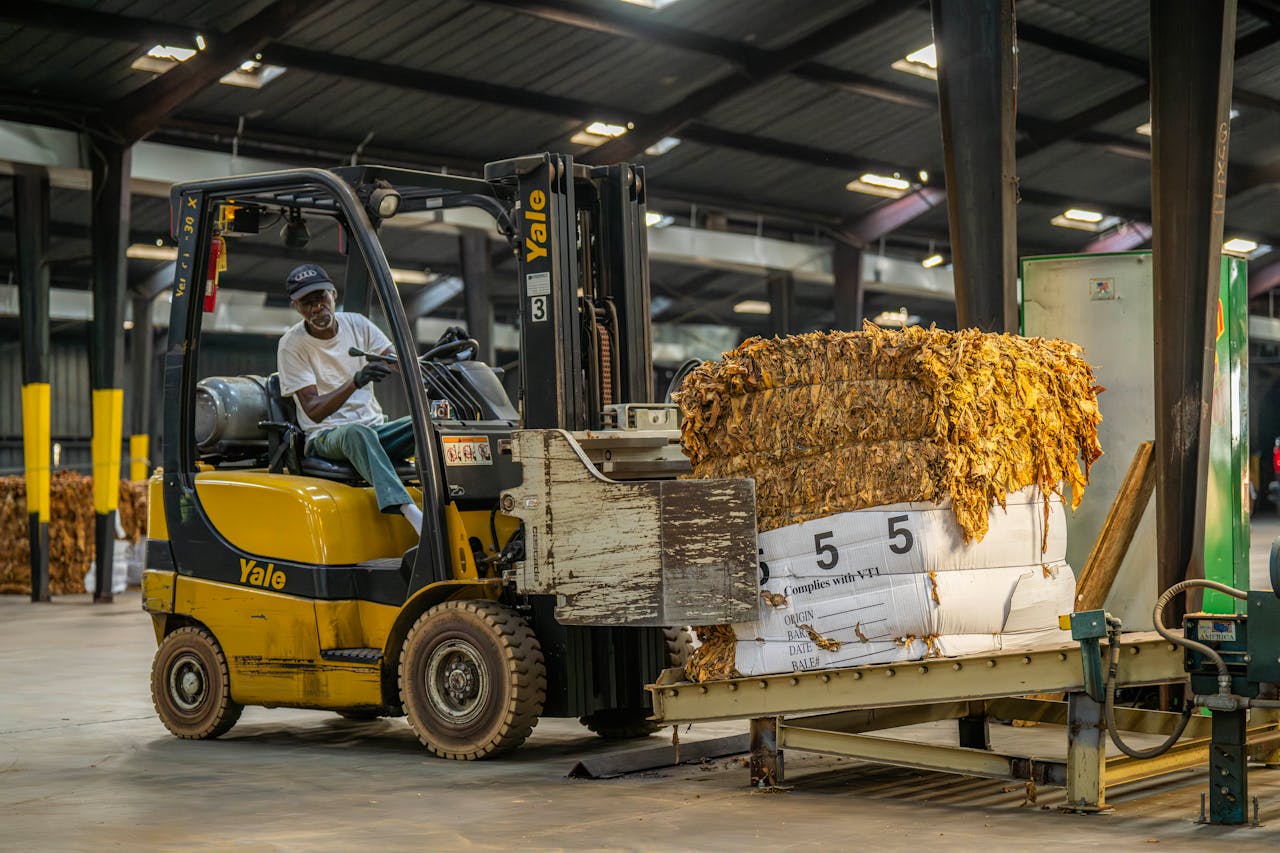
This is the most common image that comes to mind when people think of forklifts. These versatile machines are the backbone of indoor operations.
- Key Features: They have a weight at the rear to counterbalance the load at the front, eliminating the need for outriggers. They come in 3-wheel and 4-wheel designs.
- Power Source: Electric, LPG, or Diesel.
- Best For: General indoor warehouse forklift use, loading/unloading trucks, and moving palletized goods in manufacturing and retail settings. This is one of the most common types of forklifts for rent.
2. Reach Trucks
When vertical space is at a premium, reach trucks are the specialists.
- Key Features: They are designed for very narrow aisles. Instead of tilting the mast to reach a rack, the forks extend (“reach”) forward to place or retrieve a load. This allows for higher storage density.
- Power Source: Almost exclusively electric.
- Best For: High-bay warehouses, distribution centers, and cold storage facilities where maximizing storage capacity is critical. A key piece of equipment for efficient forklift services in modern logistics.
3. Rough Terrain Forklifts
As the name implies, these are built to conquer the outdoors.
- Key Features: They have large, heavy-duty pneumatic tires, a robust chassis, and high ground clearance. Often equipped with four-wheel drive and a telescopic or vertical mast.
- Power Source: Primarily diesel.
- Best For: Construction sites, lumber yards, agriculture, and any unpaved, uneven, or muddy environment. Opting for a rough terrain forklift rental is ideal for temporary outdoor projects.
4. Telehandlers (Telescopic Forklifts)
Think of these as the Swiss Army knife of material handling on job sites.
- Key Features: They feature a telescoping boom that can extend forward and upward, with the ability to fit various attachments like forks, buckets, or winches. They offer much greater reach and lift height than standard forklifts.
- Power Source: Diesel.
- Best For: Construction, agriculture, and major infrastructure projects where materials need to be placed at height or over obstacles. They are a vital part of comprehensive material handling equipment fleets.
5. Pallet Jacks (Walkie/Rider Pallet Trucks)
The simplest and most essential form of a forklift, designed for moving, not lifting to great heights.
- Key Features: Low-profile design to slide under pallets. Walk-behind (walkie) or ride-on models available. They lift loads just enough to clear the floor for transport.
- Power Source: Electric or manual.
- Best For: Retail environments, loading docks for truck unloading, and moving pallets short distances on smooth, level surfaces. A fundamental and cost-effective tool provided by many forklift services companies.
6. Order Pickers
These are designed for the person, not just the load.
- Key Features: The operator platform lifts along with the forks, allowing them to manually pick individual items from high-level shelving at height.
- Power Source: Electric.
- Best For: Fulfillment centers, e-commerce warehouses, and any operation focused on “piece picking” rather than full-pallet handling. They are a specialized type of forklift that boosts picking accuracy and speed.
7. Side Loaders
When handling long, bulky loads, a side loader provides a unique solution.
- Key Features: The mast and forks are positioned to the side, allowing the machine to travel down an aisle while carrying a long load (like timber or pipes) parallel to its direction of travel. The operator cab can be positioned in various locations.
- Power Source: Electric or Diesel.
- Best For: Handling long, tubular, or panel-style materials in lumber yards, metal service centers, and specific manufacturing applications.
How to Choose From These Different Types of Forklifts
Selecting the right kinds of forklift involves assessing several key factors:
- Operating Environment: Is it indoor, outdoor, on smooth concrete, or rough ground? This dictates choices between electric, rough terrain, or warehouse models.
- Load Capacity & Dimensions: What is the maximum weight and the typical size/shape of the load? A telehandler handles very different loads than a pallet jack.
- Aisle Width & Lift Height: Narrow aisles demand a reach truck, while high stacking may require a heavy-duty counterbalance or a high-capacity warehouse forklift.
- Fuel/Power Preference: Consider emission requirements, noise levels, and long-term fuel costs. Electric forklifts are ideal for indoor use.
- Frequency and Duration of Use: For short-term needs or to test a specific type of forklift, a forklift rental offers the ultimate flexibility without capital commitment.
Conclusion: Match the Machine to the Mission
From the nimble pallet jack to the powerful telehandler, each of the 7 different types of forklifts serves a distinct purpose in the material handling chain. The wrong choice can lead to inefficiency, damage, and safety hazards, while the right one can transform your productivity.
Need help identifying the perfect machine for your operation? The expert team at Forklift Rental Dubai is here to help. As a leading provider of forklift rental services, we offer a comprehensive fleet encompassing all these kinds of forklift. We provide more than equipment; we provide consultative forklift services to ensure you get the optimal solution for your environment, budget, and tasks.
Contact us today for a free site assessment and discover which of these seven types is the key to unlocking your operational efficiency.