
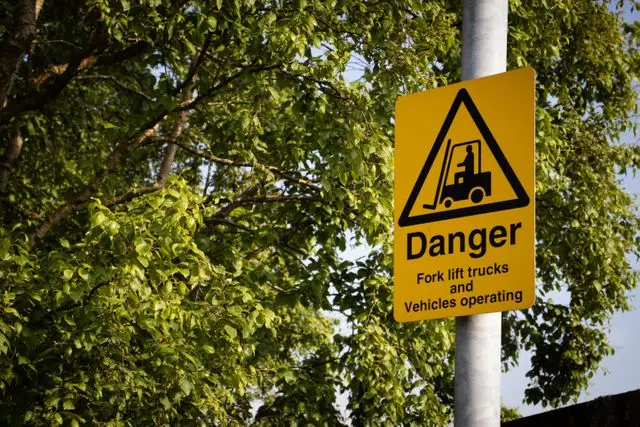
Forklift Safety Rules Every Dubai Warehouse Should Follow
Forklift safety rules matter because a warehouse forklift is one of the most common causes of workplace injury in the UAE, and most of those incidents happen from simple, preventable mistakes rather than equipment failure. If you run or manage a warehouse in Dubai, following a clear set of forklift safety rules is not just good practice, it protects your staff, your stock and your business from costly downtime.
Why Forklift Safety Rules Matter More in Dubai
Dubai’s warehouses run at a fast pace, with tight delivery windows, high stock turnover and, for a big part of the year, serious heat. That combination puts extra pressure on both equipment and people. Add to that the fact that authorities like Dubai Civil Defense, TRAKHEES and JAFZA all have their own inspection and compliance expectations depending on where your facility sits, and it becomes clear that forklift safety rules here need to account for more than just the basics you would find in a generic guide.
1. Only Let Trained and Authorized Operators Drive
This is the single most important forklift safety rule, yet it is still the one most often ignored under time pressure. A forklift should never be handed to someone just because they are available. Operators need proper training on the specific machine type, whether that is an electric forklift, a diesel unit or a reach truck, since controls and handling differ across each. Keep a simple record of who is certified to operate which machine, and treat it the same way you would treat a driving license inside the warehouse.
2. Inspect the Forklift Before Every Shift
A quick pre shift check takes a few minutes and prevents most mechanical related incidents. Operators should look at tires, brakes, forks, hydraulic fluid levels and warning lights before starting work. If anything looks off, the machine should be taken out of use until it is checked properly. Skipping this step is one of the most common forklift safety rules businesses break simply because it feels routine.
3. Respect the Load Capacity Every Time
Every forklift has a rated load capacity shown on its data plate, and overloading it, even slightly, changes how the machine balances and brakes. This is especially risky when attachments are added, since attachments themselves reduce the forklift’s effective capacity. Train your team to check the data plate rather than estimate weight by eye.
4. Set Up Clear Pedestrian and Traffic Zones
A large share of warehouse forklift accidents involve pedestrians, not other vehicles. Blind spots around double stacked pallets and busy loading docks make it easy for a worker to step into a forklift’s path without either side noticing in time. Painted walkways, mirrors at blind corners and posted speed limits inside the warehouse all reduce this risk considerably. This rule belongs at the top of any serious forklift safety rules checklist because it directly protects human life, not just equipment.
5. Match PPE to Dubai’s Conditions
Standard safety gear, high visibility vests, safety footwear and hand protection, is the baseline, but Dubai’s heat adds another layer. Breathable, moisture wicking materials genuinely matter here, since operators working long shifts in heavy PPE during summer months are more likely to lose focus or overheat, which increases risk rather than reducing it.
6. Keep Up With Mandatory Inspections
Depending on your location and free zone, your forklifts may need periodic third party inspection, often every six to twelve months, along with checks after any repair or incident. Authorities such as TRAKHEES, Dubai Civil Defense and individual free zone bodies enforce this, and skipping it is not just a safety gap, it is a compliance risk that can lead to fines or a site shutdown.
7. Build a Simple Reporting Habit for Near Misses
Most accidents are preceded by near misses that nobody reported. Encourage operators and floor staff to flag close calls without fear of blame. Patterns tend to show up quickly, the same blind corner, the same rushed hour of the day, and once you see the pattern you can fix the layout or the schedule before an actual accident happens.
Building Forklift Safety Rules Into Daily Culture
The businesses that manage this well do not treat forklift safety rules as a poster on the wall. They treat it as a daily habit, reinforced through short toolbox talks, visible accountability and equipment that is actually well maintained rather than just scheduled for maintenance. A forklift rental partner that keeps machines properly serviced also takes some of this burden off your team, since a well maintained unit is inherently safer than one running past its check date.
Learn About : A Guide to Forklift Attachments & Their Uses
Final Thoughts
Following forklift safety rules is not about ticking a compliance box, it is about protecting the people who work on your floor every day and keeping your operation running without costly interruptions. Start with trained operators, daily inspections and clear pedestrian zones, then layer in the Dubai specific factors like heat and mandatory inspection cycles, and you will already be ahead of most warehouses in the region.